
Mini IVF (minimal or mild stimulation IVF) was first pioneered in Japan, emphasizing a gentler approach to ovarian stimulation with fewer medications and lower risks. Over time, it has spread globally and gained recognition as an alternative to conventional IVF. But in the U.S., this approach remains controversial—some doctors support it for certain patients, while many continue to favor the conventional high-dose protocols.
Key Takeaways
- Mini IVF originated in Japan and focuses on mild ovarian stimulation with fewer medications.
- In the U.S., Mini IVF is controversial: some doctors support it, but many remain skeptical and stick with conventional protocols.
- Mini IVF advantages: fewer injections, lower side effects, minimal OHSS risk, lower per-cycle costs, and alignment with patients who prefer fewer embryos.
- Conventional IVF advantages: higher egg and embryo yield, greater per-cycle success rates, and more efficient for embryo banking or PGT.
- The right choice depends on your age, ovarian reserve, timeline, budget, and family-building goals.
What Is Mini IVF?
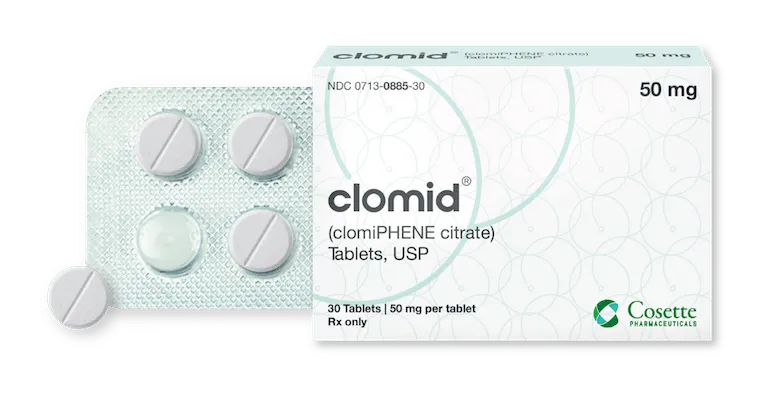
Mini IVF, also known as minimal stimulation IVF or mild IVF, uses lower doses of fertility medications compared to standard IVF. Instead of daily high-dose gonadotropins for 10–12 days, Mini IVF often begins with oral agents like clomiphene citrate or letrozole, combined with small amounts of injectable gonadotropins. An antagonist prevents premature ovulation, followed by a trigger shot before egg retrieval.
After retrieval, fertilization, embryo culture, and transfer steps are the same as conventional IVF. The difference lies in the stimulation strategy—fewer injections, lower hormone levels, and fewer eggs per cycle, typically 1–4 instead of 10–20.
Mini IVF vs. Conventional IVF at a Glance
Factor | Mini IVF | Conventional IVF |
|---|---|---|
Stimulation goal | Small cohort of eggs | Maximize egg and embryo yield |
Medications | Oral meds + low gonadotropins | Daily high-dose gonadotropins |
Monitoring | Fewer visits | More frequent visits |
Eggs per retrieval | Fewer (1–4) | More (10–20) |
OHSS risk | Extremely low | Low with modern prevention |
Best suited for | Older women, poor responders, OHSS risk, cost-sensitive patients | Younger women, normal responders, embryo banking, PGT |
Egg Yield and Embryo Outcomes
With Mini IVF, patients usually retrieve fewer eggs and create fewer embryos. Because not every egg fertilizes or develops into a viable embryo, having more eggs increases the chance of achieving at least one healthy blastocyst.
Studies confirm that egg or embryo quality is not inherently better with Mini IVF. The difference is mainly in quantity. Conventional IVF’s “numbers game” often results in more embryos available for transfer or freezing, which translates into higher per-cycle success rates.
Mini IVF may require multiple cycles to accumulate embryos—sometimes called embryo banking—to reach similar cumulative success.
Success Rates: What Does the Evidence Say?
- Per-cycle success: Conventional IVF typically yields higher live birth rates per attempt in younger or normal responders.
- Poor responders and older women: High-dose stimulation often doesn’t significantly increase egg yield. For these patients, Mini IVF can produce comparable outcomes with lower medication burden.
- Cumulative outcomes: Meta-analyses show that mild stimulation can achieve similar cumulative live birth rates when multiple cycles are considered.
In practice:
- For women under 35 with good ovarian reserve, conventional IVF offers higher per-cycle success.
- For women over 38 or those with diminished reserve, Mini IVF can be just as effective, with less medication and cost per cycle.
Safety and Side Effects
Because Mini IVF uses lower doses of hormones:
- Side effects like bloating, mood swings, or discomfort are typically milder.
- OHSS risk is extremely low, making it appealing for patients with PCOS or high ovarian reserve.
Conventional IVF can cause stronger hormonal side effects, but modern antagonist protocols and GnRH-agonist triggers have significantly reduced OHSS risk. Both approaches share the same retrieval-related risks, though fewer follicles in Mini IVF may mean shorter procedures.
Is Mini IVF Controversial in the U.S.?
Yes. Mini IVF remains controversial in American reproductive medicine.
- Supporters argue that high gonadotropin doses don’t improve egg quality, while Mini IVF reduces medication, costs, and side effects—especially for older women and poor responders.
- Many U.S. physicians remain skeptical. The prevailing approach is to use higher-dose conventional stimulation to maximize the number of eggs and embryos per cycle, believing this strategy offers the best odds of success.
- ASRM guidance notes that in poor responders, mild stimulation can yield similar results to conventional IVF, but in younger or normal responders, conventional IVF generally provides higher per-cycle success.
As a result, Mini IVF in the U.S. is seen as a niche, individualized option rather than a mainstream first-line protocol.
Cost Considerations
Mini IVF usually has lower per-cycle medication costs because fewer drugs are used. Some clinics price Mini IVF cycles around $5,000–$8,000 versus $12,000–$20,000+ for conventional IVF.
However, if multiple Mini IVF cycles are required to achieve the same embryo yield, the total cost may approach or exceed that of a single conventional IVF cycle. Families should consider not just per-cycle cost but cumulative cost per live birth.
Who Might Consider Mini IVF?
- Poor responders / low ovarian reserve: High doses rarely improve egg yield; Mini IVF may be equally effective with less burden.
- Older patients: Especially those over 38–40, Mini IVF can provide outcomes similar to conventional IVF without high-dose stimulation.
- OHSS risk / PCOS patients: Mini IVF minimizes OHSS risk.
- Cost-sensitive families: Lower per-cycle cost can make IVF more accessible.
- Ethical or personal preferences: Some families prefer not to create excess embryos.
Conversely, conventional IVF is often best for younger women with normal ovarian reserve, families planning multiple children, or those pursuing genetic testing (PGT) where a larger embryo pool is needed.
Practical Checklist for Your Consult
- Ask your doctor about your ovarian reserve (AMH, AFC) and expected egg yield with each protocol.
- Discuss OHSS risk and prevention strategies.
- Consider cumulative odds across 1–3 cycles.
- Compare budgets: one conventional cycle vs. multiple Mini IVF cycles.
- Clarify your embryo goals (banking, PGT, ethical considerations).
- Confirm your clinic’s experience with Mini IVF—timing and lab expertise matter.
FAQ
1. Is Mini IVF right for me if I’m over 40 or have low AMH?
Often yes. Evidence and ASRM guidance suggest mild approaches can match conventional outcomes in poor responders, sparing you higher drug doses with little extra benefit. Your doctor can model expected egg yield both ways.
2. Will Mini IVF give me better-quality eggs?
Not reliably. Current data show quality is similar; Mini IVF mainly changes quantity. Fewer eggs usually means fewer embryos, which can lower per-cycle odds.
3. If per-cycle odds are lower, why choose Mini IVF?
Because the treatment burden is lighter, OHSS risk is very low, per-cycle medication cost is often lower, and for some patients (e.g., poor responders) outcomes are comparable. Some families also prefer to create fewer embryos.
4. Can Mini IVF match conventional IVF if I do multiple cycles?
It can. A meta-analysis of 31 RCTs found no significant difference in cumulative live birth between mild and conventional strategies when multiple mild cycles were counted.
5. How is OHSS prevented in conventional IVF?
Clinics commonly use antagonist protocols and a GnRH-agonist trigger, which substantially reduce OHSS risk while maintaining outcomes. Ask your clinic about its trigger strategy if you respond strongly.
6. Which approach is better for banking embryos or doing PGT?
Conventional IVF, because it produces more embryos at once, making PGT and long-term family planning more efficient. If embryo numbers will be low regardless (e.g., poor response), Mini IVF may be equally reasonable.
7. How should I think about cost?
Mini IVF lowers per-cycle meds/monitoring but may require more cycles. Compare cumulative costs and cumulative chances over 1–3 cycles, plus time and emotional bandwidth. Use SART’s planning tools for context.
8. Is “natural cycle IVF” the same as Mini IVF?
No. Natural cycle retrieves the single egg you ovulate without stimulation; success per cycle is typically lower. Mini IVF uses light stimulation to retrieve a small cohort of eggs—usually a better balance for most patients considering a gentle approach.
Moving Forward
If you connect with the philosophy of Mini IVF—gentler, lower-dose, and more patient-friendly—know that it is an option in the U.S., though not yet mainstream. At Ivy Surrogacy, we collaborate with some of the nation’s leading fertility doctors who specialize in Mini IVF.
We welcome intended parents to reach out, discuss your goals, and schedule a consultation with a Mini IVF expert. Together, we can help you explore whether this path is right for your family-building journey.


