
Ovarian Hyperstimulation Syndrome (OHSS) is a unique phenomenon that occurs during fertility treatment as a side effect to taking fertility drugs. The culprit is the hCG trigger shot used to induce ovulation after patients have taken gonadotropins.
OHSS is the body’s reaction to being over-stimulated by gonadotropins, which are used to grow multiple follicles at once, leading to elevated estradiol hormone levels. Hence, OHSS occurs in patients that have a combination of multiple follicles, high estradiol levels, and take the hCG injection. This can occur 2-4 days after the trigger shot and can last for approximately one week. Approximately 10 percent of egg freezing cycles have some mild signs or symptoms of OHSS and less than 1 percent of patients have serious side effects. Close observation and monitoring is done during treatment to prevent OHSS.
The most common symptoms of OHSS are bloating, abdominal pain or pressure, shortness of breath, decrease in urination, and temporary weight gain from the accumulation of fluid in the pelvic cavity. The good news is, OHSS is self-resolving and most symptoms often pass within a week of the trigger.
How do I avoid OHSS?
The best way to avoid OHSS is to be prepared with a personalized medication protocol designed by the physician at the beginning of the egg freezing cycle. Patient age, ovarian reserve testing results, weight, general and gynecological health, toxic exposures, and previous treatment cycles all help the physician individualize the protocol. Once the protocol is finalized, close observation while on the fertility drugs is key. Usually, patients are seen 3 to 4 times for pelvic ultrasounds and hormone monitoring during the 10 day course of medications. At each of these visits, the doctor can modify the dose of the medications as needed.
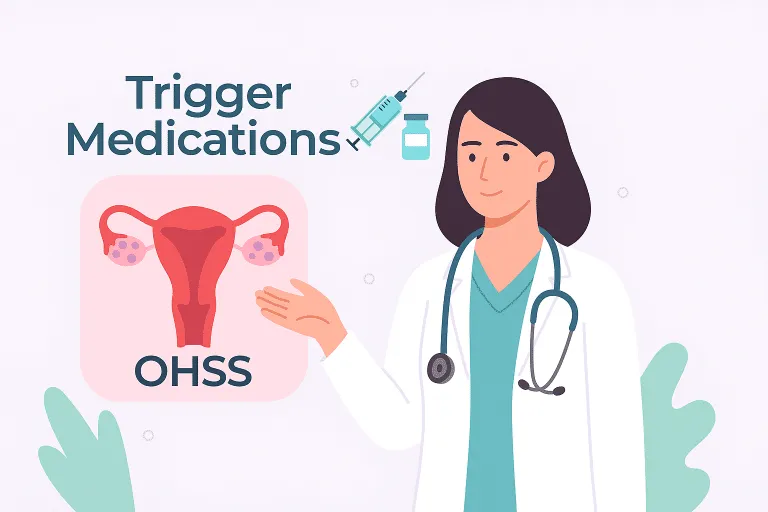
Once it is time to take the trigger shot, the patient will either take hCG, Lupron, or a combination of both, depending on the estradiol level and number of growing follicles. OHSS can occur in patients who have high estradiol levels at the time of trigger shot and use hCG as the trigger medication. Therefore, in many cases, OHSS will be avoided entirely if the trigger medication is Lupron only. Today, many doctors feel comfortable using Lupron only triggers to avoid OHSS, but some cases will benefit from using hCG as well.
How do I mitigate the symptoms of OHSS?
- Increase Fluids to 3L per day including water, all natural unsweetened coconut water, or one can of vegetable juice. Avoid drinks with sugar and diet sodas.
- Decrease intake of simple starches including white bread, white rice, and pasta.
- Decrease intake of sugars such as in desserts, juices, and condiments like ketchup, BBQ sauce, and salad dressings.
- Increase intake of whey protein or eggs.
- Abstain from sexual intercourse.
- Abstain from physical activity and exercise.
- Weigh yourself every day to monitor for fluid accumulation.
Always remember, calling your doctor and being evaluated is the best medicine.


