
If you’re considering becoming a gestational surrogate, one of the most common questions you might have is: “Am I genetically connected to the baby I carry?” This is an important concern, and understanding the science and role behind gestational surrogacy will help you feel more confident in your journey.
What Is Gestational Surrogacy?
Gestational surrogacy is the most common form of surrogacy in the United States today. It involves in vitro fertilization (IVF), where embryos are created in a lab using the eggs and sperm of the intended parents—or from donors if needed.
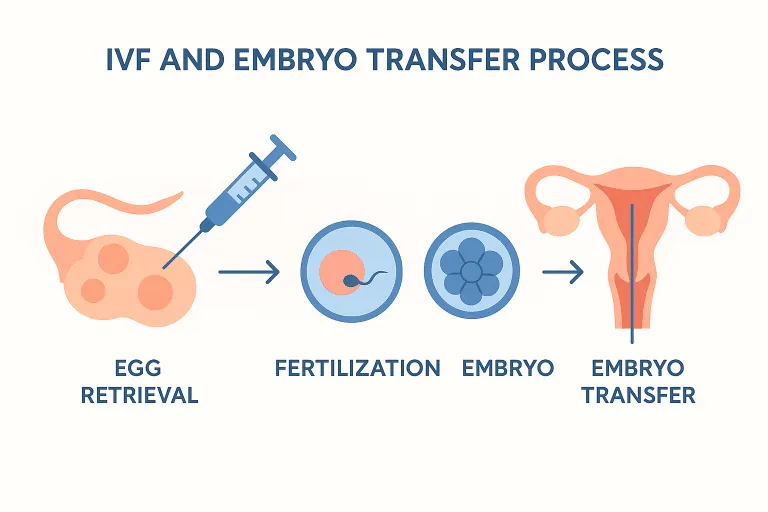
- Embryo Creation: The intended mother’s eggs (or donor eggs) are fertilized with sperm from the intended father (or a sperm donor) through IVF.
- Transfer to Surrogate: One of these embryos is then transferred into the surrogate’s uterus, where she will carry the pregnancy to term.
This process ensures that the baby is genetically connected only to the intended parents or chosen donors, not the surrogate.
No Genetic Connection for Surrogates
A defining characteristic of gestational surrogacy is that the surrogate has no genetic link to the baby.
- Genetic Material: All genetic material comes from the intended parents or donors. Since the surrogate does not use her eggs, she does not share DNA with the child.
- Gestational Role Only: The surrogate’s role is to provide a safe and healthy environment for the baby to grow until birth. She is a gestational carrier, not a genetic mother.
This distinction is important because it eliminates confusion between gestational surrogacy and traditional surrogacy, where the surrogate provides her own egg and would be genetically related to the child. Traditional surrogacy is extremely rare today and less legally supported.
Why This Clarity Matters
Understanding your lack of genetic connection brings peace of mind for both surrogates and intended parents:
- For Surrogates: You can embrace your role knowing you are giving the gift of life without parental obligations or genetic ties.
- For Intended Parents: It reassures them that they are the sole genetic parents (unless donors are used), strengthening their bond with their child from the very beginning.
This clarity highlights the selfless and unique nature of surrogacy—helping others create a family while keeping roles and expectations clear.
FAQs About Surrogacy and Genetics
1. Is there any situation where a surrogate is genetically related to the baby?
Yes, but only in traditional surrogacy, where the surrogate’s own egg is used. In gestational surrogacy, there is no genetic link.
2. Can a surrogate influence the baby’s traits during pregnancy?
No. A surrogate cannot change the baby’s genetic makeup. However, her health and lifestyle choices can positively influence the baby’s growth and overall well-being.
3. Do surrogates have parental rights since they carry the baby?
No. Legal contracts clearly establish the intended parents as the child’s legal parents. Surrogates undergo thorough screening to ensure they understand this commitment.
4. Why do most agencies only support gestational surrogacy today?
Gestational surrogacy is more legally secure and emotionally clear since the surrogate has no genetic ties to the child.
Conclusion
If you’re considering becoming a gestational surrogate, knowing that you will not have a genetic connection to the baby is empowering. It sets clear expectations and allows you to fully embrace your role as a caring gestational carrier.
Surrogacy is a profound act of generosity—helping others achieve their dream of parenthood while creating lifelong joy.
👉 Interested in learning more about becoming a surrogate? Explore our Surrogacy Requirements and Compensation Guide to see if you qualify and how you can make a difference.


