
In a landmark ruling issued today, the United States Supreme Court has definitively upheld birthright citizenship, striking down President Trump's executive order that sought to deny automatic citizenship to children born in the U.S. to non-citizen parents. For international intended parents pursuing surrogacy in the United States, this decision removes the last remaining legal uncertainty about their children's citizenship status.
The Ruling at a Glance
In Trump v. Barbara, the Supreme Court ruled 6-3 that the Fourteenth Amendment's Citizenship Clause guarantees automatic U.S. citizenship to virtually all children born on American soil. Chief Justice John Roberts authored the majority opinion, joined by Justices Barrett, Kavanaugh, Sotomayor, Kagan, and Jackson. Justices Thomas, Alito, and Gorsuch dissented.
The Court took the strongest possible path: a constitutional ruling based directly on the Fourteenth Amendment, rather than a narrower statutory approach. This means birthright citizenship is protected at the highest level of American law — it cannot be changed by executive order, and it would require a constitutional amendment to overturn.
What the Court Said
Chief Justice Roberts wrote that the framers of the Fourteenth Amendment deliberately chose broad language to define citizenship, rejecting proposals that would have limited it to specific groups. The Court reaffirmed its 1898 precedent in United States v. Wong Kim Ark, which held that a child born in San Francisco to immigrant parents was a U.S. citizen by birth.
Roberts noted that this principle has been applied consistently for over 150 years — even during World War II, when Japanese citizens were held in detention camps, their children born on U.S. soil were automatically granted American citizenship.
The Court found that Trump's executive order, which sought to deny citizenship to children born to undocumented immigrants and temporary visa holders, was unconstitutional and beyond the president's authority.
What This Means for Surrogacy Intended Parents
For international intended parents working with a surrogacy agency in the United States, this ruling provides the strongest possible legal assurance:
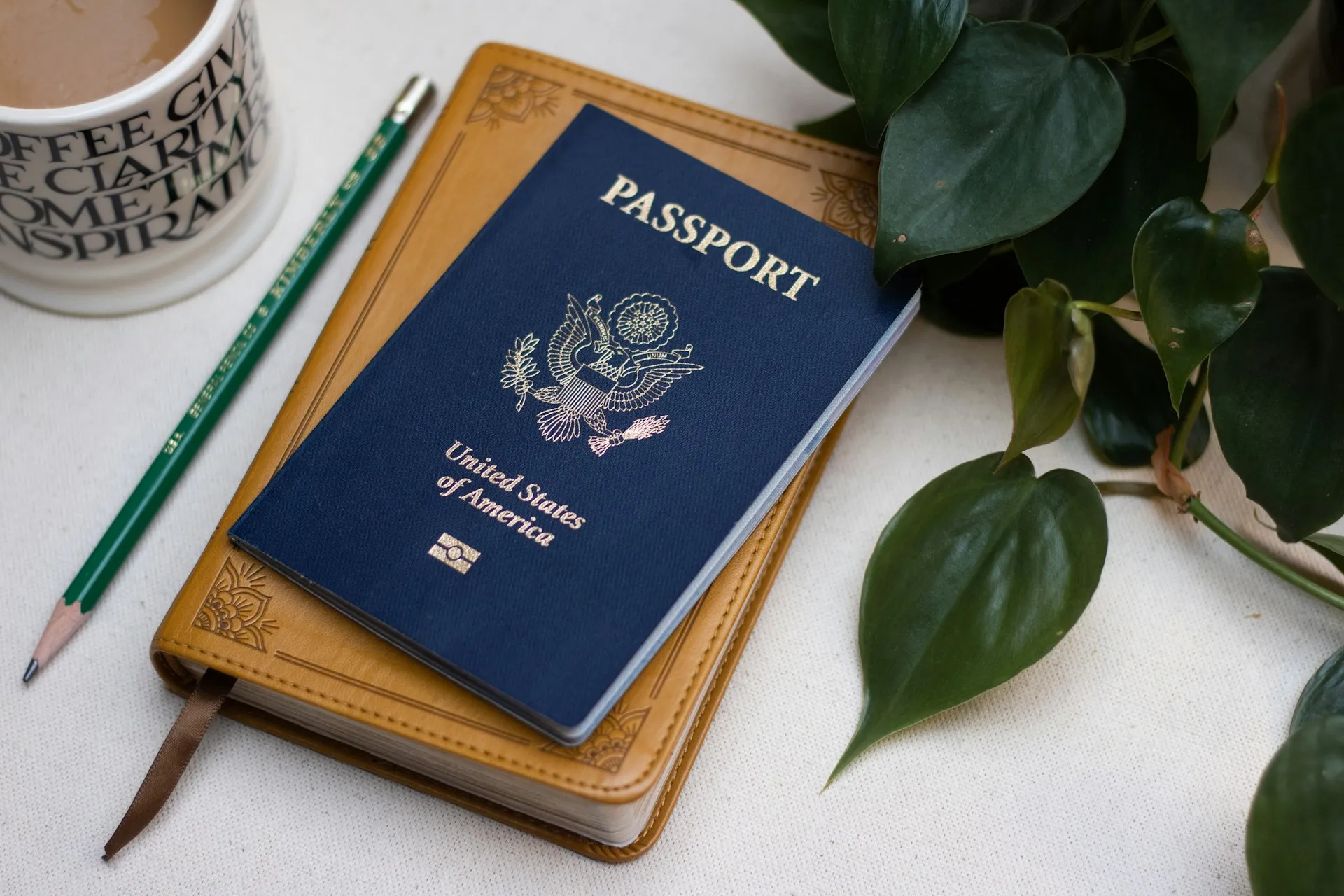
Your child's citizenship is constitutionally protected. A baby born through surrogacy in the United States is a U.S. citizen at birth, regardless of the parents' nationality or immigration status. This right is now backed by a definitive Supreme Court ruling that explicitly rejected attempts to narrow it.
No executive action can change this. The Court ruled on constitutional grounds, meaning no future president can unilaterally alter birthright citizenship through an executive order. Only a constitutional amendment — which requires two-thirds approval in both chambers of Congress and ratification by 38 states — could change this protection.
The ruling applies to all births on U.S. soil. Whether the intended parents are citizens of another country, hold temporary visas, or have any other immigration status, the child born through surrogacy in the United States is an American citizen. The only exceptions remain extremely narrow: children of accredited foreign diplomats.
A Note on the Kavanaugh Concurrence
While the outcome was 6-3 against the executive order, there is a nuance worth understanding. Justice Kavanaugh agreed that Trump's order was unlawful, but he wrote separately to express his view that Congress — unlike the president — could potentially pass legislation to limit birthright citizenship in the future.
On this deeper constitutional question, the Court split 5-4: five justices (Roberts, Barrett, Sotomayor, Kagan, Jackson) held that birthright citizenship is constitutionally required and cannot be changed even by Congress, while four justices (Kavanaugh, Thomas, Alito, Gorsuch) suggested Congress might have authority to modify it through legislation.
In practical terms, this distinction matters very little today. No such legislation exists, and passing it would face enormous political and legal hurdles. The bottom line remains clear: birthright citizenship is the law of the land, confirmed by the Supreme Court.
The Journey of This Case
President Trump signed Executive Order 14160 on his first day back in office, January 20, 2025. It was immediately challenged in multiple federal courts, and every judge who reviewed it ruled it unconstitutional. The order never took effect anywhere in the United States.
The Supreme Court heard oral arguments on April 1, 2026 — a historic session that Trump himself attended, becoming the first sitting president to attend oral arguments at the high court. During those arguments, multiple conservative justices expressed skepticism about the administration's legal theory, foreshadowing today's result.
Why This Matters for the Surrogacy Industry
The 18-month period of legal uncertainty created by the executive order caused understandable anxiety among intended parents from around the world. At Ivy Surrogacy, we consistently advised our clients that the constitutional protections were strong and that courts were uniformly blocking the order. Today's ruling vindicates that assessment.
For international intended parents — who represent a growing portion of surrogacy clients in California — this decision is especially significant. The ruling reaffirms that the path to U.S. citizenship through birth on American soil remains open, secure, and constitutionally guaranteed.
Frequently Asked Questions
1. Does today's ruling affect children already born through surrogacy?
No. Birthright citizenship has been continuously in effect. Trump's executive order was blocked by courts from day one and never took effect. All children born in the United States have been and continue to be U.S. citizens.
2. Can a future president try again to limit birthright citizenship?
A president cannot change birthright citizenship through executive action. The Supreme Court has now definitively ruled that the Constitution guarantees it. Any change would require a constitutional amendment, which is an extraordinarily difficult process.
3. Does the ruling apply to children born via surrogacy to foreign intended parents?
Yes. The ruling applies to all children born on U.S. soil, regardless of the parents' citizenship status, immigration status, or how the child was conceived. Surrogacy-born children receive the same birthright citizenship as any other child born in the United States.
4. What documents will my surrogacy-born child need?
The process remains the same as it has always been. Your child will receive a U.S. birth certificate from the state where they are born, and you can apply for a U.S. passport. The birth certificate is sufficient proof of citizenship.
5. Could Congress pass a law to change birthright citizenship?
Five of the nine justices ruled that birthright citizenship is constitutionally required and cannot be changed by Congress. Four justices suggested Congress might have this power, but no such legislation exists or is likely to pass in the foreseeable future.
Ivy Surrogacy is a full-service surrogacy agency based in California, serving intended parents from around the world. Our founder brings a medical background and multilingual expertise to guide families through every step of the surrogacy journey. Contact us to learn more about building your family through surrogacy in the United States.


