
The waiting game is almost over. After months (or years) of planning, matching, legal contracts, and waiting for updates, the moment you have dreamed of is finally on the horizon. You are about to meet your baby.
Whether you are waiting for “The Call” that labor has started or counting down to a scheduled induction or C-section, the final stretch can feel overwhelming. One of the best ways to channel that nervous energy? Packing.
But here is the thing: most generic “hospital bag checklists” you find online are designed for the person giving birth. They are full of postpartum recovery items like ice packs and nursing bras that you, as an Intended Parent (IP), likely won’t need.
However, your journey comes with its own unique set of essentials—specifically, crucial legal paperwork and items to facilitate bonding from the very first second.
We’ve compiled the ultimate guide to help you pack your hospital bag so you can focus on what matters most: welcoming your little one into the world.
🗝️ Key Takeaways
- Paperwork is King: Unlike traditional births, you cannot leave the hospital with your baby without specific court orders.
- Bring the Basics: Hospitals provide medical supplies, but they do not provide baby clothes for the trip home.
- Plan Ahead: Have your Pediatrician’s fax number and your baby’s full name ready by week 36.
- Supply Chain: Standard disposable nipples for ready-to-feed formula are hard to find in local stores; buy them on Amazon if staying in town.
1. 📂 The “Do Not Forget” Paperwork & Admin
Priority Level: Critical
In a traditional birth, showing up without paperwork is an inconvenience. In a surrogacy journey, it can be a major roadblock to leaving the hospital with your baby. This is the most distinct and important part of your packing list.
- Pre-Birth Order (PBO): This is your golden ticket. While your attorney usually mails a copy to the hospital, and your Ivy Surrogacy case manager will bring a copy when supporting you, you must bring your own certified copy just in case. You will likely need to show this to the birth clerk, the social worker, and the nursery staff.
- Identification (Double Up): Bring valid Passports and Driver’s Licenses for both parents. Some hospitals have strict security protocols and require two forms of ID (Double ID) for verification.
- Payment & Insurance: Be prepared for the admin side of discharge.
- Surrogacy Agreement: While the PBO usually supersedes this, it is smart to have a digital or physical copy of your Surrogacy Contract just in case questions arise regarding specific birth plans or decision-making powers.
- POA Specifics: If you are a Power of Attorney (POA) picking up the baby for the parents, ensure you have the notarized POA documents. Crucial Tip: Save high-quality photos of the Intended Parents’ passports/IDs on your phone. You will need to fill out birth certificate forms, and verify the spelling against their IDs repeatedly to avoid errors.
- Pediatrician Info: You do not need an appointment before birth, but you must have the info ready. The hospital needs to know where to send the Newborn Screening (Heel Prick) results if anything comes back abnormal. (Learn more about Newborn Screening from the CDC). Have the Doctor’s Name, Clinic Address, Phone Number, and Fax Number written down.
- Baby Name Selection: You will be asked to complete the birth certificate worksheet at the hospital. Have your baby’s First, Middle, and Last Name decided by week 36 to avoid last-minute stress.
2. 👶 Essentials for the Baby
Priority Level: High
- The “Going Home” Outfit: Important: Hospitals generally do not provide clothing for babies. You must bring clothes for the baby to wear upon discharge. Pack two outfits: one Newborn (NB) size and one 0-3 Months size.
- Car Seat: This is non-negotiable. Ensure the base is properly installed in your vehicle before you head to the hospital.
- Muslin Swaddles/Blanket: Hospital blankets are stiff. A soft swaddle from home is perfect for photos and keeping the baby warm during the exit.
- Feeding Supplies (The “Gap” Strategy):
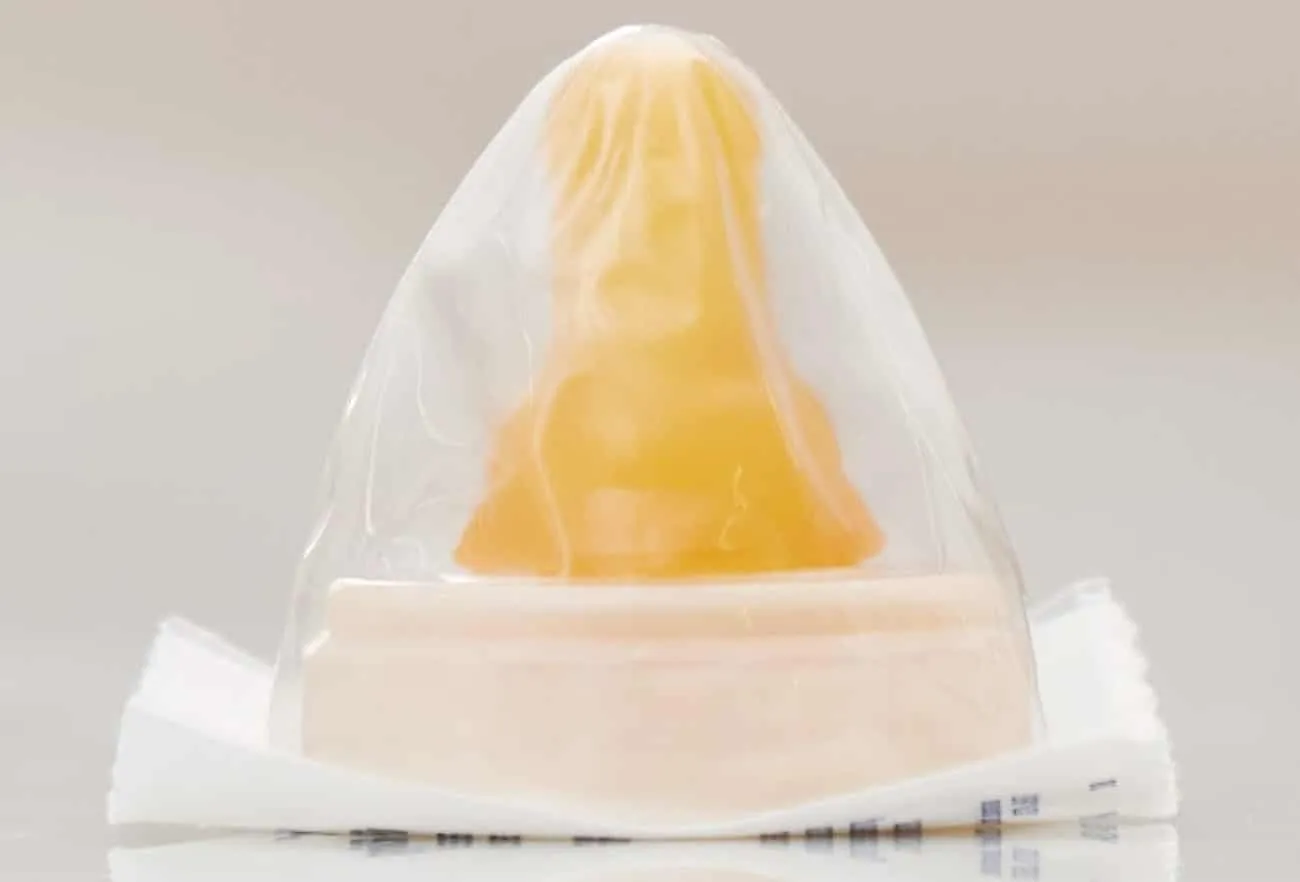
- Pacifiers: Hospitals usually provide one generic type. If you have a specific orthodontic brand preference, toss a couple in your bag.
3. 🎒 Gear for the Intended Parents (You!)
Priority Level: Medium-High
You might not be the patient, but you will likely be spending long hours (or days) at the hospital. Comfort is key.
- Skin-to-Skin Friendly Clothing: You will want to do “Kangaroo Care” (skin-to-skin bonding) immediately.
- Comfortable Loungewear: Think joggers, yoga pants, and slip-on shoes/slippers.
- Toiletries: Hospital soap is harsh. Pack a small bag with:
- Snacks and Hydration: Hospital cafeterias often close at night. Pack protein bars, nuts, dried fruit, and a reusable water bottle.
4. ❤️ For Your Surrogate
Priority Level: Thoughtful
While your surrogate will have her own bag, bringing a gift is a beautiful way to honor her.
- The “Red Envelope” (Hongbao): In alignment with traditional Chinese culture, many Intended Parents prepare a Red Envelope (cash gift) or a special gift for the surrogate to express their deep gratitude and wish her good fortune.
- Comfort Items: Fuzzy socks, a high-quality sleep mask, or luxury skincare.
- Flowers/Small Gift: You can grab these at the hospital gift shop to brighten up her recovery room.
5. 📱 Tech & Memories
Priority Level: Practical
- Extra-Long Phone Chargers: Hospital outlets are notoriously far from the bed or chairs. A 10-foot cable is a lifesaver.
- Camera/Phone: Make sure you have plenty of storage space available for the hundreds of photos you are about to take.
6. 💡 Final Pro-Tips for IPs
- Pack Early: Aim to have your bags ready by week 36. Surrogacy deliveries can sometimes be induced early or happen unexpectedly.
- Separate Bags: Pack the baby’s items in a diaper bag and your items in a weekend bag to keep things organized.
- Understand Rooming: Check with the hospital regarding accommodations. Typically, IPs are either given a separate room for themselves and the baby, or the baby stays in the nursery while IPs return to a nearby hotel. You will generally not be rooming in with the surrogate.
📝 The Summary Checklist: Hospital Bag for Intended Parents
Save this list to your phone or print it out to ensure nothing is left behind!
The Critical Docs
- [ ] Certified Copy of Pre-Birth Order (PBO)
- [ ] Driver’s Licenses & Passports (Double ID)
- [ ] Health Insurance Card (Physical & Digital)
- [ ] Credit Card (for hospital co-pays/incidentals)
- [ ] Notarized POA Documents (if applicable)
- [ ] Pediatrician Info (Name, Phone, Fax, Address)
- [ ] Copy of Surrogacy Agreement
For Baby
- [ ] Infant Car Seat (Base installed & unexpired)
- [ ] Going Home Outfit (Newborn size)
- [ ] Going Home Outfit (0-3 Month size)
- [ ] Muslin Swaddle / Blanket
- [ ] Pacifiers (if you have a brand preference)
- [ ] Disposable Nipples (if staying at a hotel/Airbnb)
For Parents
- [ ] Button-down shirt or Zip-up hoodie (for skin-to-skin)
- [ ] Comfortable Loungewear / Slippers
- [ ] Toiletries (Toothbrush, Face wash, Moisturizer)
- [ ] Snacks (Protein bars, nuts) & Reusable Water Bottle
- [ ] Phone Chargers (Extra Long 10ft+)
- [ ] Camera / Phone with storage cleared
For Surrogate
- [ ] Gift / Red Envelope (Hongbao)
- [ ] Card or Flowers
❓ FAQ: Hospital Bag Checklist
1. What if I forget something important?
Don’t panic. As long as you have the Car Seat and Legal Paperwork (PBO), almost everything else is manageable. Diapers, clothes, and toiletries can be bought at a local store, and the hospital provides immediate medical necessities for the baby.
2. Can I leave the hospital immediately with the baby?
Usually, discharge happens 24-48 hours after birth. You cannot leave until the PBO is verified and the pediatrician clears the baby for discharge.
3. Who fills out the birth certificate forms?
You (the IPs) will fill out the worksheet, but the birth clerk submits it. This is why having your IDs (or copies on your phone if you are POA) is vital to ensure spelling matches exactly.
Ready for the Big Day?
At Ivy Surrogacy, we know that the logistics of delivery day can feel complex. That is why our case managers are there to support you—ensuring copies of paperwork are present and that hospital policy is followed.
Still have questions about what to pack or how the hospital discharge works? Contact your Ivy Surrogacy coordinator today. We are here to make sure your only focus is holding your new baby.


